Healing a broken tibia takes time. After prompt surgery, proper care and rehabilitation are essential. Medroot Medical offers this simple guide for recovery:
1. Imaging & Surgery
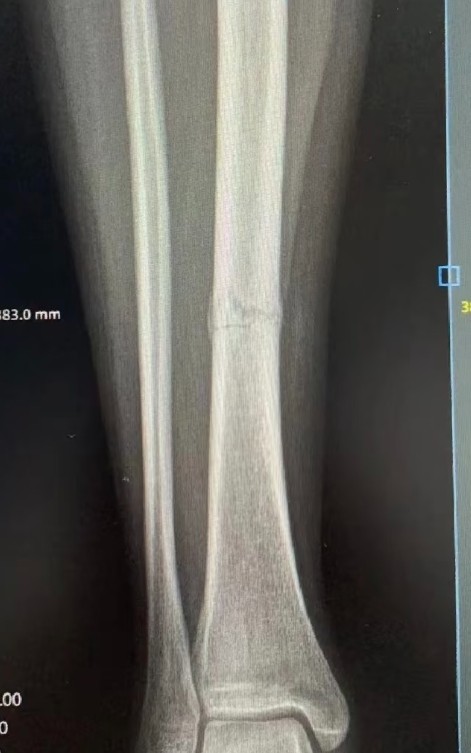
Doctors use X-rays, CT scans, or MRIs to check the break and plan surgery using plates, screws, or nails.
2. Early Recovery & Light Movement
• Weeks to Months 1-3: Keep the leg still using a brace or cast. Rest, keep the leg elevated, use ice for swelling, and do not put weight on the leg. Use crutches to move.
• Light Exercise: As bone healing begins, do gentle ankle pumps and thigh squeezes in bed to prevent blood clots and muscle loss.
3. Walking & Full Healing
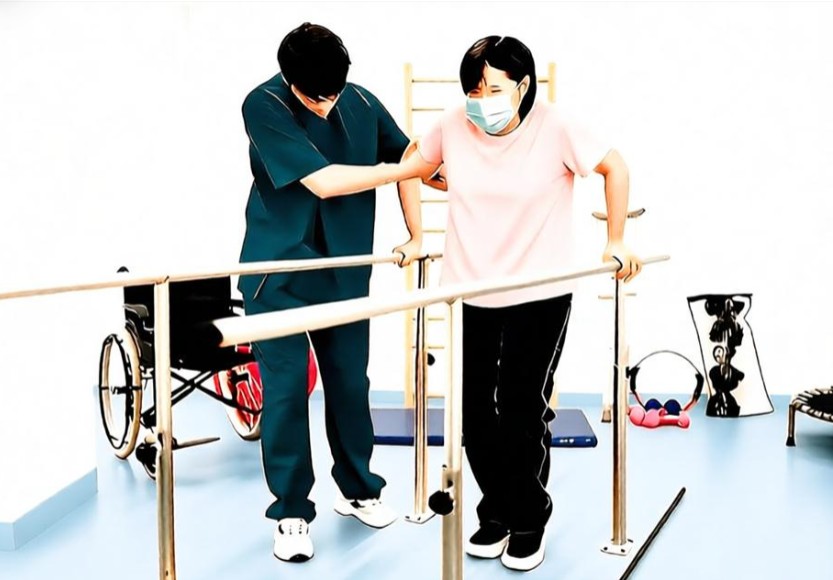
• With Crutches: When the bone is partly healed, walk slowly with crutches, avoiding heavy pressure or sports.
• Without Crutches: Once fully healed and confirmed by X-rays, you can walk without crutches. Always protect your leg with orthopedic immobilizer and report any discomfort.

Important Notes
- Base all progress on hospital X-rays and follow-up visits (at 1, 3, and 6 months).
- Stop moving and see a doctor immediately if you experience severe pain, wound leakage, fever, or numb/cold toes.
- Do not rush or stop using braces/crutches early.
About Medroot Medical
Medroot Medical provides high-quality orthopedic braces and crutches for clinics and hospitals. Please feel free to contact Medroot Medical for reliable medical supports.