After an orthopedic surgery, the bone healing takes a long time. Even if you feel good, do not ignore the recovery process. You must use X-rays to check if the bone is fully healed.
After surgery, please follow these key tips:
- Eat well: Take enough protein, calcium, and Vitamin D to help the callus (new bone) grow.
- Sleep well: Get 7–8 hours of sleep every day.
- Protect the bone: Do not put heavy pressure on the injured area. Use a proper orthopedic brace to protect the fracture part.
- Check regularly: Take X-rays on time to see how the bone is healing.
When to Call Your Doctor Immediately
Contact your doctor right away if you notice any of these danger signs:
- Wound issues: The wound leaks fluid, opens up, leaks pus, or becomes very red and swollen quickly.
- High fever: Your body temperature is over 38.5°C with chills (shivering). This means you may have an infection.
- Nerve or blood vessel problems: The fracture part feels very hard and swollen, or the area feels numb, cold, pale, or purple.
- Severe pain: The pain suddenly gets much worse. You feel the bones moving or grinding when it gains heavier pressure.
- Deformity: The shape of the fracture site looks crooked or abnormal.
- Stiff joints: Your joints feel very stiff, and it becomes harder to move them over time.
How to Check Your Recovery Progress
Doctors use imaging tests (like X-rays) and physical checks to see if the bone is completely healed.
- X-ray is the best first step: It shows the bone healing process and the different stages of the callus (new bone growth):
- Soft callus (Procallus)
- Cartilaginous callus
- Hard callus (Bony callus)
- Bone remodeling phase
- Advanced scans: If the X-ray is not clear, your doctor may suggest a CT scan, 3D CT reconstruction, or ultrasound.
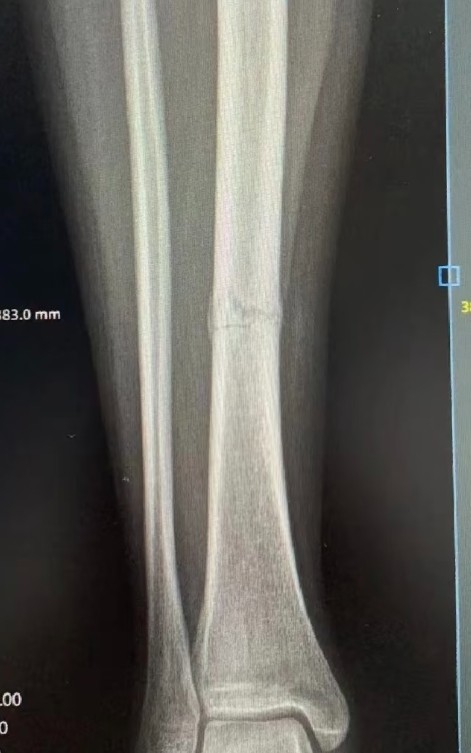
Essential Tips for Patients
- X-ray schedule: In general, you should get X-rays at 1, 3, and 6 months after surgery to check the bone growth and implants.
- For elderly or osteoporosis patients: Healing is slower. You usually need more X-rays after 6 months until the doctor confirms you are fully recovered.
- Stay active safely: Move your body gently under the guidance of medical staff to prevent blood clots.
- Prevent infection: Let nurses or doctors clean and disinfect your wound regularly.
- Watch for emergencies: Call your doctor immediately if your lower leg gets hard and swollen, the wound leaks pus, you get a fever, pain worsens, or toes feel numb and cold.
Important Notice
- For Bone Healing Assessment: Always follow your doctor’s professional advice. Only a medical professional can determine if your bone is fully recovered.
- For Orthopedic Bracing Solutions: If you need high-quality braces, please feel free to Contact Medroot Medical at any time. We are always ready to support your rehabilitation needs!