After orthopedic surgery, patients need a smart balance between rest and movement. Staying in bed too long without moving is bad, but exercising too early or too hard is also dangerous.
People often have two extreme ideas: some believe they must stay completely still in bed, while others want to start big movements right away. Medical facts show that both ways are risky.
1. Why Do We Need Both Immobilization and Movement?
The Benefits of Orthopedic Immobilization (Keeping Still):
Using orthopedic braces and casts help maintain the stability of fractured bones. It protects the bone from harmful forces and creates a safe environment for bone healing.
The Benefits of Physical Therapy (Exercise):
- Prevents joint stiffness: It keeps your joints flexible so you can move easily later.
- Improves blood flow: It reduces swelling and lowers the serious risk of blood clots (DVT).
- Prevents muscle loss: It keeps your muscles strong for walking in the future.
- Protects bone density: It helps prevent bone loss and reduces the chance of breaking bones again.

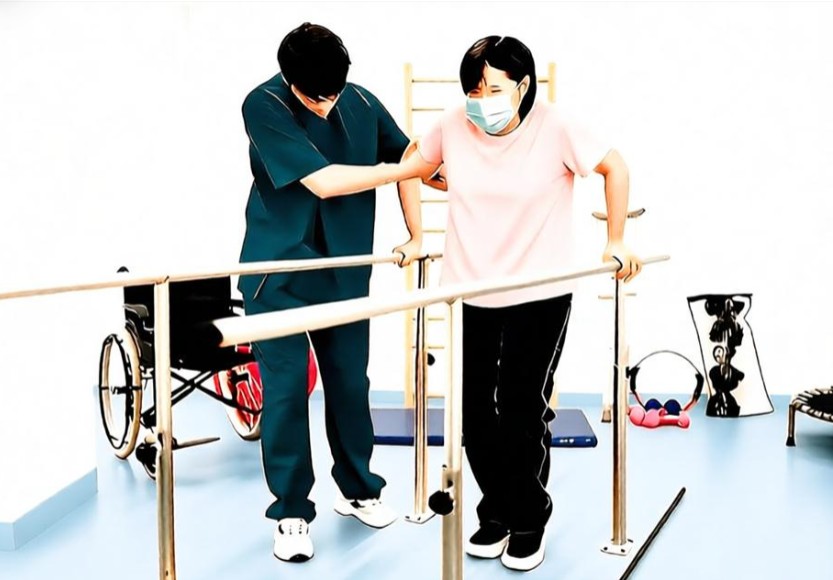
2. How to Balance Immobilization and Physical Therapy
Both total rest and heavy exercise can slow down bone healing. Patients must follow the professional guidance of their doctors and physical therapists.
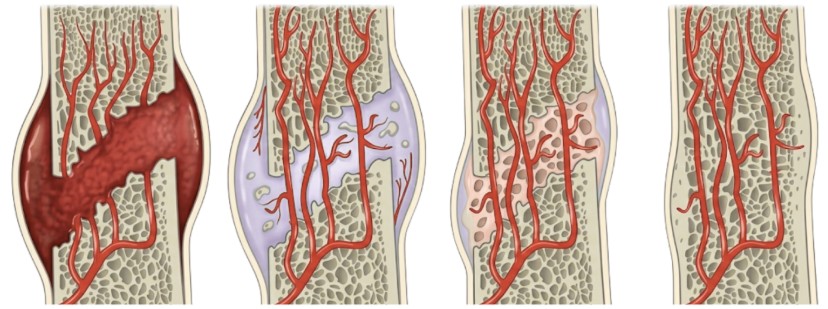
- Early Stage (Weeks 0-2): Focus on safe protection. You can do light exercises for healthy joints near the injury and practice gentle muscle-squeezing exercises without moving the broken bone.
- Middle Stage: As X-rays show the bone is growing back, doctors will suggest small movements for the joints next to the injury. You can slowly increase the exercise intensity.
- Late Stage: Doctors will check X-ray or CT scans to see how well the bone has healed. They will decide when you can start full recovery exercises, which movements are best, and how much weight you can safely carry.
Conclusion:
In short, staying completely still or exercising too early are both wrong. Patients should protect the bone with proper orthopedic support and exercise step-by-step. Always listen to your doctor to find the safest balance for your recovery.
Please feel free to contact Medroot Medical if you have any further questions regarding orthopedic care.