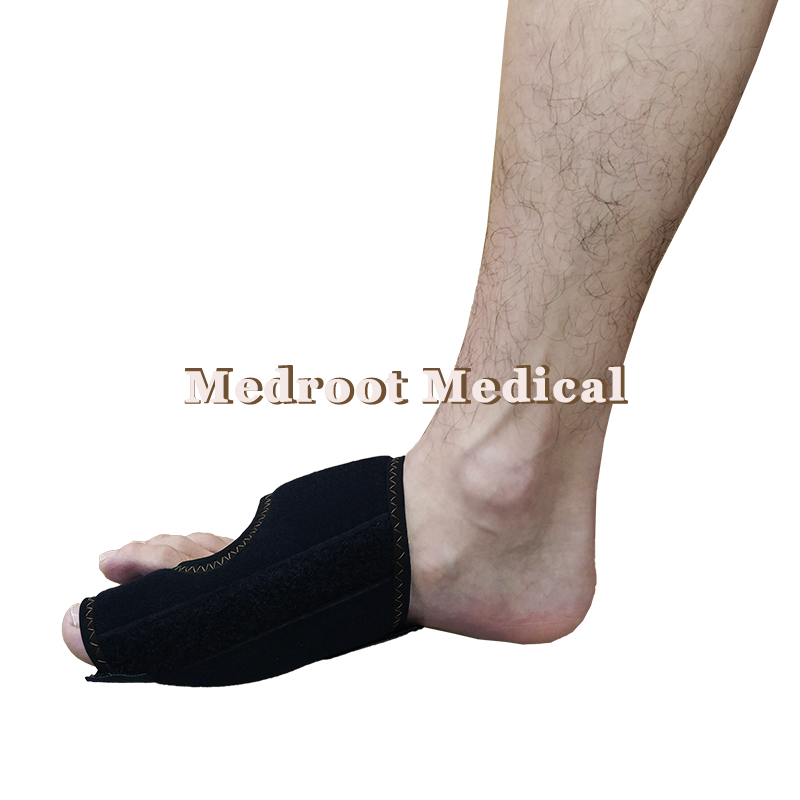
Toe Brace: A Simple Guide for Toe Correction and Protection
A toe brace is a very practical small assistive tool for foot and ankle care. Unlike bulky orthopedic shoes, it is small in size and easy to wear. It can protect your toes when you walk during the day, and gently correct the toe position while you rest at night. It is a common choice for people to ease toe discomfort and help injuries recover.
It works for many daily protection and clinical recovery situations:Most often, it helps people with mild to moderate bunions. The steady soft support slows down the deformity and eases the pain from shoes rubbing against the toes.
It can also hold sprained toes or minor fractures still for a short time, stopping wrong movements and giving soft tissues and bones a stable space to heal.
After foot and ankle surgery, it keeps toes in the right position and stops the deformity from coming back during recovery.
Many sports lovers use it to separate squeezed toes, and cut down extra pressure on joints during long walks or workouts.
To use it well and avoid discomfort, follow these simple rules:Hard splint-style toe braces work best at night. When your foot is fully relaxed, they can pull and adjust the toe position better.
For daytime walking, pick thin, soft silicone or fabric toe braces. Wear them with wide-toe shoes, so the tight shoe toe won’t push the brace out of place and press on your toes.
Do not wear it for a long time when you first start. Wear it for 15 to 30 minutes at first, then slowly make the time longer. Leave the strap loose enough to fit one finger under it, so it won’t block blood flow in your toes.
A few easy tips for daily use:Move the tip of your toes from time to time while wearing the brace, so your joints won’t get stiff from staying still too long.
Clean the brace with mild soap after each use, and let it air dry. This stops sweat from building up and growing bacteria.
If your toes feel numb, turn purple, or hurt badly, take off the brace right away. Adjust the tightness or go see a foot and ankle doctor. If you have severe bunions with dislocated joints, do not only use a toe brace instead of professional medical care. Go to the hospital for a doctor’s assessment.
All in all, a toe brace is a low-cost, very useful foot and ankle tool. Pick the right type and wear it the right way, and you can get good toe protection and gentle correction without stopping your daily activities.
Please don’t hesitate to contact Medroot Medical for more information.